Profile

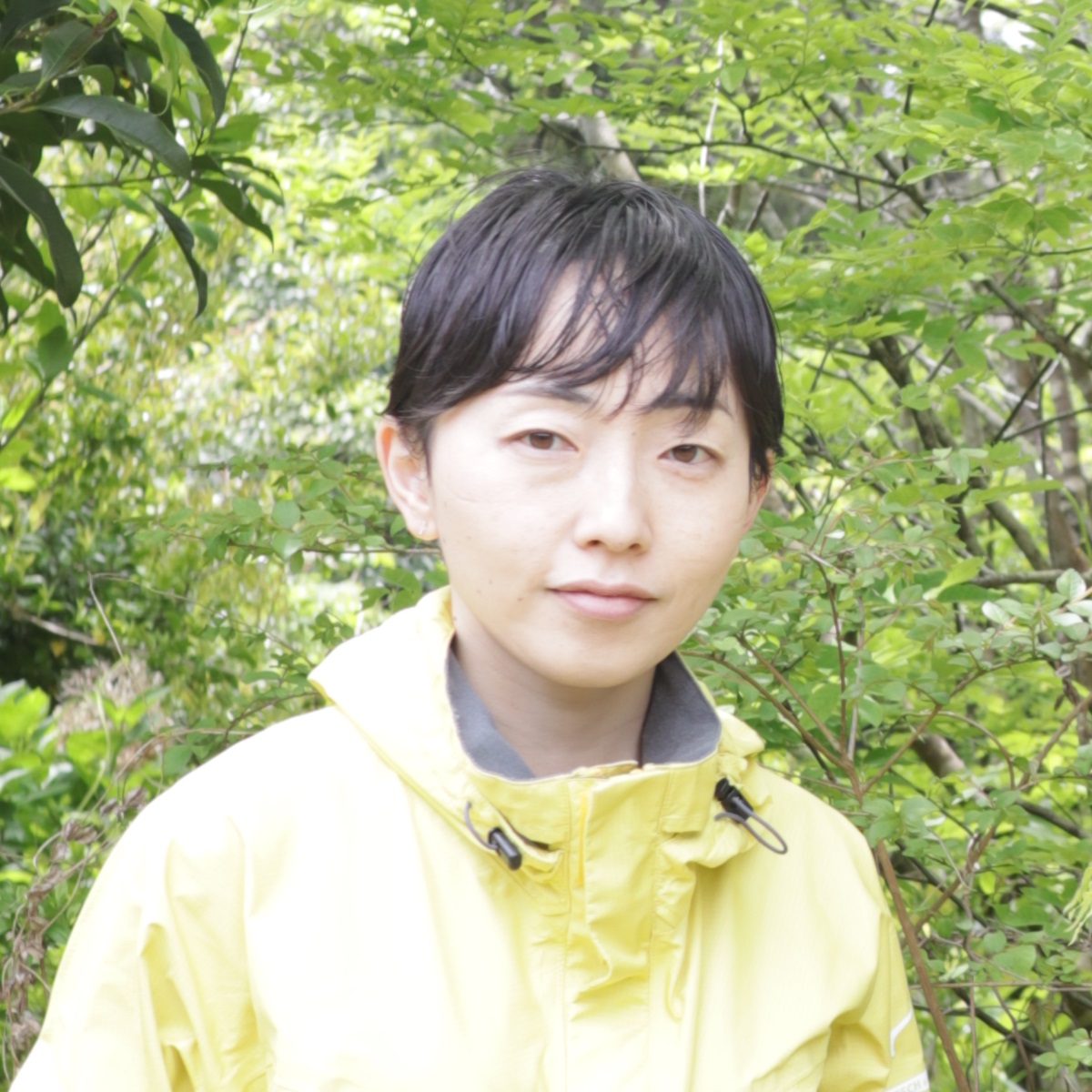
HISAMOTO Yoko

HISAMOTO Yoko

Department The University of Tokyo Forests
Laboratory Laboratory of Forest Ecology and Functional Biology
Title Assistant Professor
researchmap Link

Research introduction for the general public

Exploring the life cycle of bamboo through science

Research background

Bamboo is a useful plant consumed as bamboo shoots and used as material for baskets and sieves,etc. However, in recent years its use has declined, and abandoned bamboo forests have become a problem. At the same time, bamboo species have a unique life history characterised by mass (synchronized) flowering and death occuring at cycles such as 67 or 120 years. Because transplanted bamboo clumps in different environments have flowered simultaneously in the same year, it is inferred that bamboo flowering is genetically controlled rather than environment-dependent. However, the mechanisms by which flowering occurs in the designated year remain unknown.

Research content

I am working to elucidate the molecular mechanisms of mass flowering by identifying bamboo flowering genes and analyzing when and where they function. Specifically, I investigate the flowering process and post-flowering recovery in several bamboo species such as Hachiku bamboo (Phyllostachys nigra var. henonis) and Moso bamboo (P. edulis), while comprehensively identifying genes active during flowering using RNA-seq analysis.

Future prospects

This research aims to pave the way for new propagation control technologies that could freely regulate bamboo flowering and, in the future, might even make it possible to cause bamboo forests to bloom like the folklore of 'the ashes of Hanasaka Jiisan.

Educational approach

Reflecting on social issues through bamboo

Educational activities

I am in charge of Faculty of Agriculture field practices at the University Forest and general education experiential seminars. For example, in the program 'Learning about Boso’s Forests and Livelihoods' at the Chiba Forest, students experience bamboo crafting to reflect on bamboo use and the current state of the bamboo industry. Through bamboo and bamboo forests as subjects, I hope to provide opportunities for students to consider social issues in Japan’s current forests and forestry. I also give lectures on abandoned bamboo forests and on fostering familiarity with bamboo.

Achievements in human resource development

I conduct ecological studies on bamboo together with students interested in the issue of abandoned bamboo forests. To date, we examined how factors such as uneven light and nutrient distribution and underground obstacles influence the vigorous rhizome extension responsible for bamboo forest expansion. Part of this research was published in a journal called Bamboo Journal. Currently, I am working with another student on ecological research that will be useful for managing abandoned bamboo forests.

Vision for industry-academia collaboration

Toward solving the social challenges associated with bamboo

Addressed social issues

Although bamboo is a useful plant, in recent years the decline of the bamboo industry and shortage of successors have caused abandoned bamboo forests to increase nationwide, leading to issues such as invasion into forest land, expansion, and landscape deterioration. Attempts have been made to clear bamboo forests, but cutting only the aboveground culms allows the underground rhizomes to survive and sprout again, enabling recovery. Therefore, the establishment of effective control methods is required.

Current outputs and progress

Therefore, in an abandoned Madake bamboo (Phyllostachys bambusoides) forest used as a test site, we combined herbicide soil application with culm cutting. Our investigation of suppression effects and vegetation changes demonstrated that bamboo regeneration can be greatly suppressed, enabling conversion to broadleaf forest.

Future applicable technologies and prospects

This research will contribute to the development of effective bamboo control methods and is expected to aid in preventing bamboo invasion into surrounding forests and in supporting proper bamboo forest management.

Research Overview Poster (PDF)

Featured Articles

Exploring the impact of global warming on three boreal conifers: Insights from transplant experiments into warm regions
Decline in survival and growth rates of dwarf birch seedlings at the forest limit and southern range is driven by different mechanisms

Keywords

Keywords1  :  Bamboo, Bamboo Forests, Rhizomes, Periodicity, Flowering, Genes, Gene Expression, RNA, Molecular Biology, Forests, Plants
Keywords2  :  Abandoned Bamboo Forests, Bamboo Expansion, Forest Resources, Forest Product Utilization, Mountain Village Issues