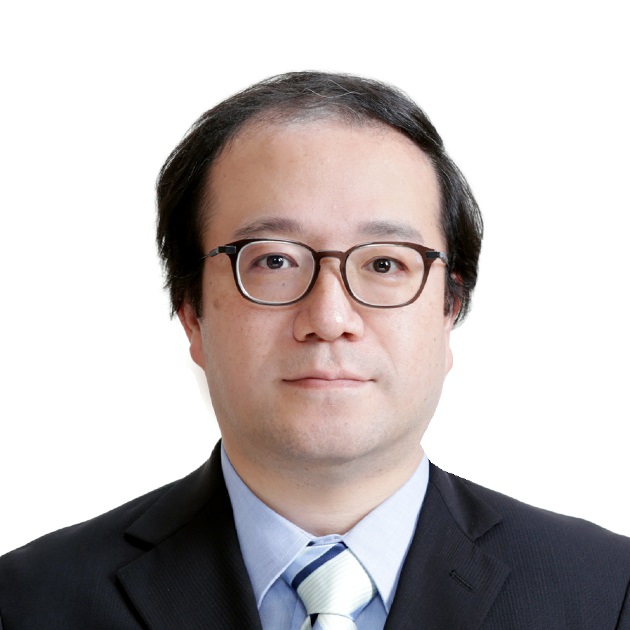
Using insects and their symbiotic organisms as materials to understand the mysteries of living things
I have loved living things since I was a child. When I was in elementary school, I was fascinated by collecting insects, crustaceans, fish, and other creatures from nature, comparing them with reference books, and raising and observing them at home. However, when I entered middle school, I did not feel comfortable with biology, which focused on knowledge, and instead became more interested in mathematics and physics. Nevertheless, when it came time to enter university, I felt a strong desire to study what I truly loved, so I enrolled in the Science II program and then the Faculty of Agriculture. After some twists and turns, a major turning point came during my third year of undergraduate studies when I encountered baculoviruses—viruses that infect insects—and met an alumnus of my current laboratory who is a leading expert in the field. From that point on, my research career began. If you are interested in the fascinating battle between insects and their pathogens ( “Behavioral manipulation by baculoviruses,” “male killing by Wolbachia,” and “sex determination mechanisms by selfish genes”) and research aimed at utilizing these underutilized biological resources for the benefit of humanity, such as vaccine production and environmentally friendly agriculture (“generation of high-expression viral vectors for vaccine production” and “development of tailor-made pesticides utilizing insect pathogens”), please join us in our research.
Educational approach
Integrating basic biology with practical applications (agriculture, medicine) through researches on insects and microorganisms
In the agricultural faculty's lectures and laboratory exercises, we teach insect genetics, pathology, and the applied sciences derived from these fields. In the laboratory, we emphasize “enjoying research” as our philosophy, with laboratory members (students, researchers, and faculty) conducting independent research on their own themes. While future goals vary from person to person, we educate students to maximize their potential. Graduates continue their research at universities (e.g., Associate Professor at Tohoku University, Assistant Professor at the University of Tokyo) regardless of their research field or work in companies and government agencies (e.g., Chugai Pharmaceutical Research Institute, Ministry of Economy, Trade and Industry). In any case, we strive to ensure that students grow as individuals by the time they graduate from the lab. Examples of doctoral and master's thesis topics are as follows.
Doctoral Thesis: “Molecular Basis of Baculovirus Infection” “Mechanism of Host Behavior Manipulation by Baculoviruses” “Research on Small RNA Protecting Germ Cell Genomes”
Master's Thesis: “Genome analysis of two male-killing Wolbachia from Ostrinia species” “Functional analysisn of Masculinizer gene in the silkworm Bombyx mori”
Vision for industry-academia collaboration
Utilizing unused resources such as insects and insect pathogens to contribute to agriculture and medicine
The silkworm, a model insect of Lepidoptera, has been widely used not only as an agricultural organism that produces silk but also as a research material in genetics (e.g., “Rediscovery of Mendel's Law in Animals” and “Sex Determination in Lepidoptera Insects is Performed by Small Molecule RNA”). On the other hand, its pathogens have also been used as materials for molecular biological research. For example, the Cap structure, which gained attention in the COVID-19 mRNA vaccine, was discovered from the silkworm cytoplasmic polyhedrosis virus. Furthermore, baculoviruses that infect silkworms and other Lepidoptera insects have been widely utilized as “baculovirus vectors” for recombinant protein production, including vaccine production, due to their remarkable protein production capabilities. Recently, it has been discovered that Wolbachia, a symbiotic bacterium, significantly reduces the ability of mosquitoes to transmit pathogens through infection, leading to a reevaluation of the usefulness of insect pathogens. However, the mechanisms behind these phenomena are not yet fully understood. I aim to elucidate the molecular biological basis of these phenomena and develop further industrial application tools of them. Meanwhile, I am also conducting research to identify materials useful for an environmentally harmonious society from insects and their pathogens, which remain a vast, untapped biological resource.
Keywords1 : Insects, viruses, Wolbachia, Lepidoptera, symbiotic bacteria, baculovirus, sex determination, sex manipulation, behavioral manipulation, host control Keywords2 : Pest control, material production, environmentally harmonious agriculture, symbiotic society, insect control