Profile

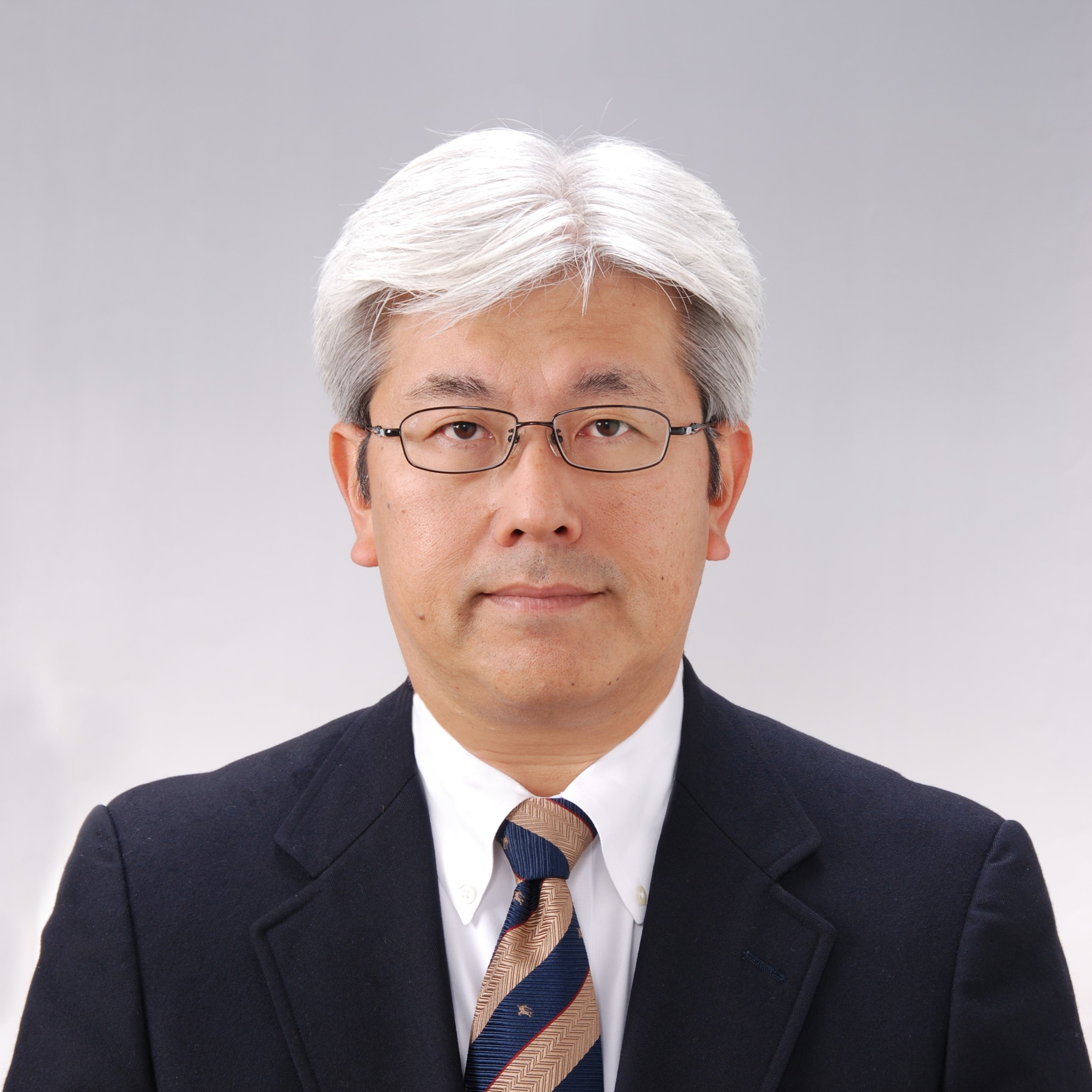
TAKIKAWA Hirosato

TAKIKAWA Hirosato

Department Department of Applied Biological Chemistry
Laboratory Laboratory of Organic Chemistry
Title Professor
researchmap Link

Research introduction for the general public

Freely Manipulating the Structures of Organic Molecules

My field of expertise is organic chemistry, particularly organic synthesis. Organic synthesis is a discipline that freely manipulates the structures of organic molecules to create new substances and values. It is a highly practical academic field, and in fact, our daily lives are filled with products of organic synthesis, ranging from functional materials such as synthetic fibers, resins, plastics, and liquid crystals to pharmaceuticals and agrochemicals.
While research laboratories specializing in organic synthesis exist in faculties of science, engineering, and pharmacy, we aim to develop organic synthesis from the perspective of agriculture. For example, we pursue research that contributes to crop protection or leads to the development of agrochemicals in a broad sense.
As one recent achievement, we have succeeded in obtaining highly significant insights into how a group of compounds called strigolactones (well known as plant hormones and rhizosphere signaling molecules) are biosynthesized within plants. This research outcome, which realized in a flask an idea that no strigolactone researcher worldwide had ever conceived, is, I believe, of great significance.

Educational approach

How do we harness the power of organic synthesis?

Because the fundamental substances of life are essentially organic molecules, organic chemistry and life sciences are inseparable, and understanding life requires a solid understanding of organic chemistry. Our laboratory, which is rare within a faculty of agriculture, promotes education and research specializing in organic chemistry, particularly organic synthesis.
In our lab, we commonly focus on compounds known as bioactive natural products, pursuing studies with applications in pharmaceuticals and agrochemicals in mind, or investigating how these natural products are biosynthesized within living organisms. Personally, I believe it is always important to ask: “How do we harness the power of organic synthesis?”
Organic synthesis is a quintessential experimental science, where dedicated efforts in experimental research directly lead to achievements. At the same time, logical thinking, keen observation, and insight are indispensable. We strive to provide an educational and research environment where both of them can be cultivated.
Many graduates of both the undergraduate and graduate programs go on to research positions in pharmaceutical and chemical industries. At present, another characteristic of our laboratory may be the relatively large number of applicants from other universities and students aspiring to enter doctoral programs.

Vision for industry-academia collaboration

From the laboratory to social implementation

Our laboratory has a history and tradition of producing numerous achievements, particularly in the synthesis of biologically active natural products. In synthetic chemistry research developed mainly from the perspective of “agriculture,” we often aim not only at academic value but also at practical and applied outcomes, and we have generated many results of practical significance. Of course, many of our outcomes have been patented, and at times we have pursued research with social implementation in mind.
We also have a track record of commissioned research, collaborative projects, and accepting commissioned researchers as well as working professionals in doctoral programs, so please feel free to contact us.

Research Overview Poster (PDF)

Featured Articles

Identification of a body odor component that increases during women’s ovulatory phase and produces positive physiological and psychological effects on men.

Keywords

Keywords1  :  Organic synthesis, natural product chemistry, biological activity, physiological activity, pharmaceuticals and agrochemicals, biosynthesis
Keywords2  :  Environmental harmony, green chemistry, food issues